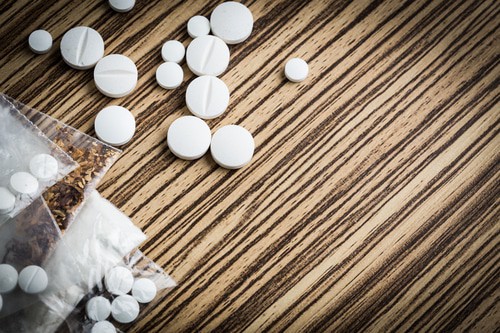
Drug Rehab in North Carolina is truly a necessity. The drug abuse epidemic has hit Asheville hard. Since 2017, over 10,000 North Carolinians have died from overdoses. The crisis is ongoing, with the state’s overdose death rate rising 37% from April 2020 to April 2021.
The average cost of drug rehab in North Carolina is $1,703. North Carolina has over 600 active rehab clinics helping nearly 50,000 people annually. Asheville has many to choose from, so research to find the right fit based on your needs, beliefs, and budget.
Overcoming addiction is challenging, but with the right help and determination, you can beat this. Rehab gives you the skills and support to get clean and stay committed to your recovery. The road ahead won’t be easy, but living free of drugs will make it worthwhile. There are people here to help you through detox, counseling, and aftercare. You don’t have to go through this alone.
Reach out for help. Your life is worth it. There are always alternatives to using, so take that first courageous step and get yourself into a rehab program. A better future awaits you.
Help with Drug Rehab in North Carolina
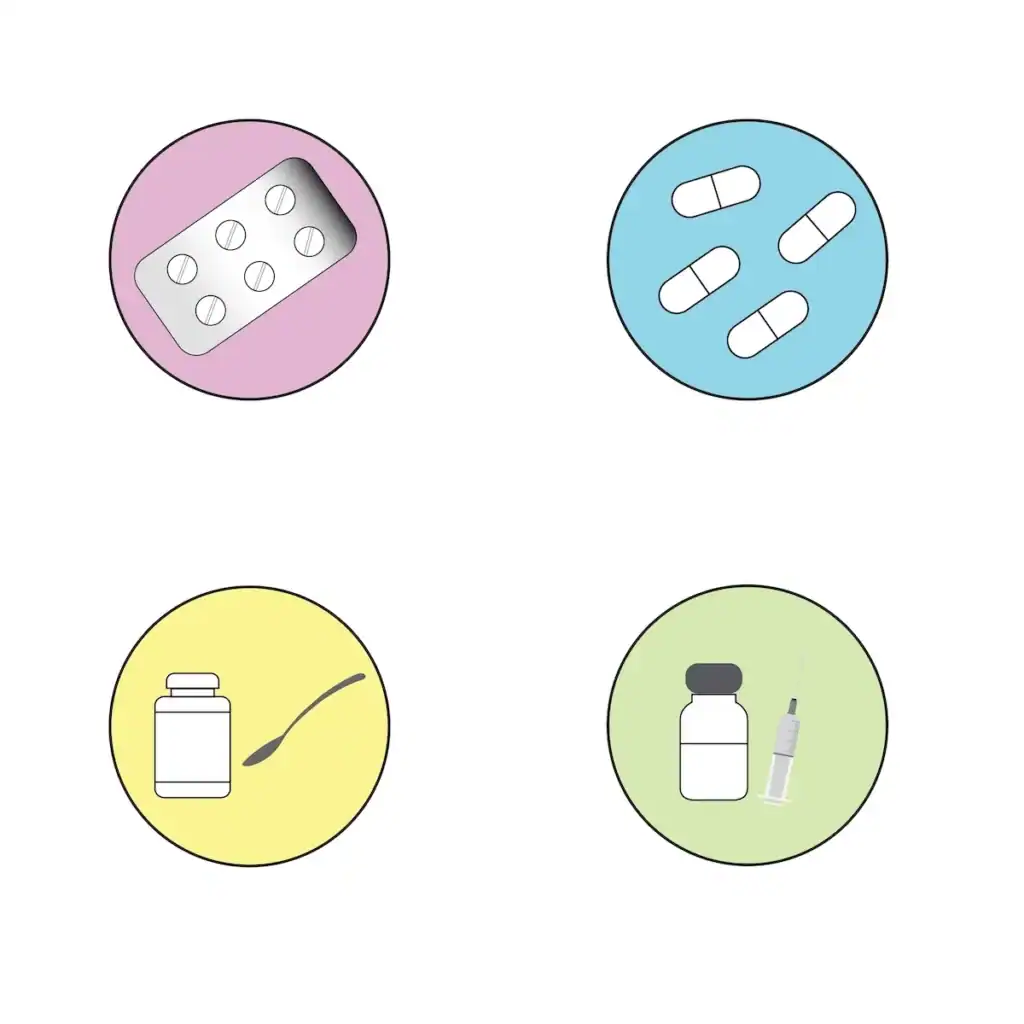
You’re not alone if you’re struggling with substance abuse in Asheville. Some of the most common drugs of choice here are:
- Cocaine – Whether powder or crack, cocaine is highly addictive and dangerous. Long-term use destroys tissues in the nose and can cause heart attack, stroke, or seizures.
- Marijuana – Although legal in some states, marijuana can still be addictive and negatively impact memory, learning, and mental health. Teen use is especially harmful.
- Methamphetamines – Meth is highly addictive, causing severe damage to physical and mental health. “Meth mouth” leads to tooth decay, and the drug accelerates the aging of the body and brain.
- Heroin – Heroin is an illegal opioid that binds to opioid receptors in the brain, causing a temporary high and slowing breathing and heart rate. Overdoses can easily lead to death.
- Opioids – Prescription opioids for pain management are frequently abused, leading to addiction, overdose, and death. Benzodiazepines like Xanax are also commonly abused, causing impaired thinking, memory issues, and slowed breathing.
The good news is there are many treatment options in Asheville to help you overcome addiction and lead a healthy life free from drugs. Inpatient and outpatient rehab centers, therapy, support groups, and medication are all available to aid your recovery journey. You have support – now take that first courageous step toward sobriety. There is hope and healing ahead!
Types of Drug Rehab in North Carolina
When considering drug rehab options in Asheville, you have several facilities based on the severity of your substance abuse issues.
Outpatient Treatment
For less severe addiction, outpatient treatment allows you to live at home while attending counseling and support groups at a treatment center. You’ll meet with doctors and counselors regularly, like a few times a week, for a few hours. This provides flexibility and independence but less supervision and support.
Intensive Outpatient
A step up from basic outpatient care, intensive outpatient treatment offers therapy and counseling for longer periods each day, up to 8 hours, and more frequently during the week. This level of support helps establish sobriety and make lifestyle changes with slightly more guidance than outpatient alone.
Residential or Inpatient Treatment
Residential or inpatient treatment provides 24-hour care in a supervised facility for moderate to severe addiction. You live on-site while participating in individual and group therapy, counseling, medical care, and other activities to build life skills and establish sobriety with comprehensive support. The structured environment removes influences and triggers, allowing full focus on recovery.
Intensive Inpatient Hospitalization
The highest level of care, intensive inpatient hospitalization, is for severe addiction that requires full-time medical supervision. Patients with serious health conditions and substance abuse receive round-the-clock nursing care and medical monitoring during treatment and therapy for addiction. After stabilization, patients often transition to a lower level of care to continue recovery.
The rehab options in Asheville range from minimal to acute care so you can find the appropriate treatment for your unique situation. Speaking with medical professionals about the severity of your addiction and related health issues will help determine the right facility and program to begin your journey to sobriety.
What Determines the Appropriate Drug Rehab Program in North Carolina?
The type of drug rehab program that will be most effective for you depends on several factors. The severity and duration of your addiction, mental health conditions, medical needs, and personal situation will help determine the appropriate level of care.
Program Philosophy and Treatment Options
Drug rehab in North Carolina usually offer philosophies (12-step, holistic, etc.) and modalities (counseling, behavioral therapy, medication, etc.). Look for a philosophy and treatment options tailored to your needs and beliefs. Some common modalities include:
- Individual and group counseling
- Cognitive behavioral therapy
- Medication-assisted treatment
- Motivational interviewing
- Family therapy
- Relapse prevention planning
Amenities and Program Length
Look at amenities like nutrition, exercise, and life skills classes. Drug rehab in North Carolina typically range from 28 days to 12 months. Longer stays often correlate with better outcomes. Consider if you need detox and if the program offers medical detox on-site.
Choosing the right drug rehab in North Carolina is crucial. Evaluate your needs honestly and thoroughly. Don’t hesitate to ask questions about different programs to determine what will put you on the path to sobriety.
The most effective program for you will address your addiction and any co-occurring disorders, suit your lifestyle, and feel the right fit for your needs and beliefs. With the proper treatment and aftercare plan, you can overcome your addiction and live a happy, healthy life in recovery.
Aftercare Resources for Maintaining Sobriety in Asheville, NC
Once you’ve completed treatment at a drug rehab in North Carolina, the real work begins—staying committed to your sobriety. Aftercare resources can help make this challenging transition smoother.
Find a Support Group
Connecting with others in recovery is key. Look for free support groups in Asheville, like Narcotics Anonymous (NA) or Alcoholics Anonymous (AA). Meetings are held throughout the city and surrounding areas. Speaking with others facing similar struggles can help you stay accountable and provide empathy.
Get a Sponsor
A sponsor is someone in recovery who can offer guidance and support. They’ve been where you are and can share their experiences. Ask someone from a support group you connect with to consider sponsoring you. Meet with them regularly to talk about your challenges and victories.
Continue Counseling
Consider ongoing counseling or therapy to address underlying issues related to your addiction. Many North Carolina drug rehab centers offer affordable outpatient counseling services. Speaking with a professional counselor or therapist can help you work through triggers, cope with cravings, and make lifestyle changes to support your recovery.
Make Lifestyle Changes
Change habits and routines that enable addictive behaviors. Spend time engaging in new hobbies and social activities that don’t involve drugs or alcohol. Exercise, eat healthy and practice self-care. Establish a routine to fill your time, especially in early recovery. Make sure to avoid triggers like people or places that encourage substance use.
Check-in on Recovery Apps
Use free recovery apps to track your sobriety, connect with a support community, and access resources. Popular options include Nomo, Sober Grid, WEconnect, and I Am Sober. Tracking your progress and milestones provides motivation and accountability. Connecting to the apps allows for support on the go.
Utilizing these aftercare resources will boost your chance of success in maintaining sobriety. Make them a priority and stick with what works for you. Staying committed to recovery is challenging, but with the right tools and support system, you can build a new life without relying on drugs or alcohol. If you or a loved one are struggling with addiction, please reach out to Asheville Recovery Center today.